


RushDrama Pro:MiniSeries
4.9106.00 Reviews
App Specs
- Version
- 1.6.9
- Updated On
- License
- Free
- Downloads
- 10,000+
- Developer
- X-tream
- Categories
- Entertainment
- Platform
- Android
Screenshots
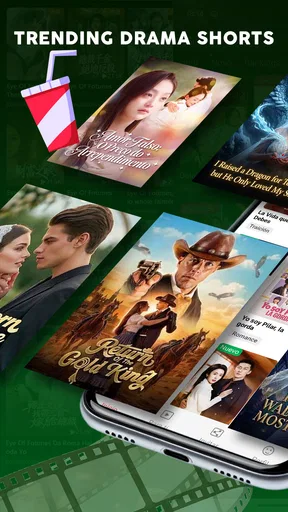
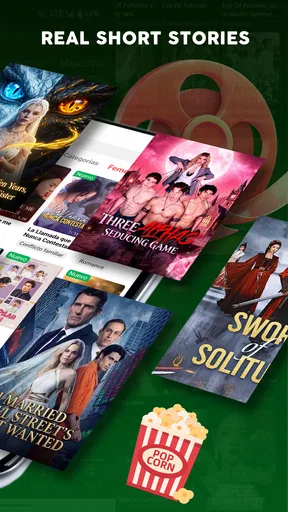
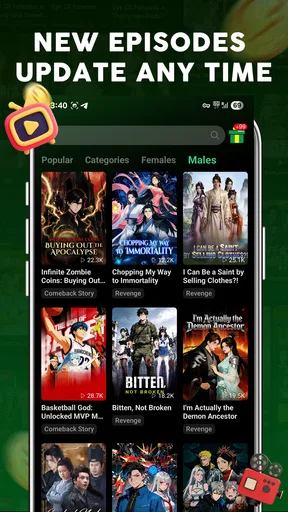
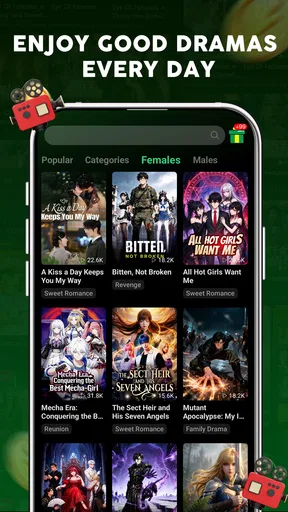
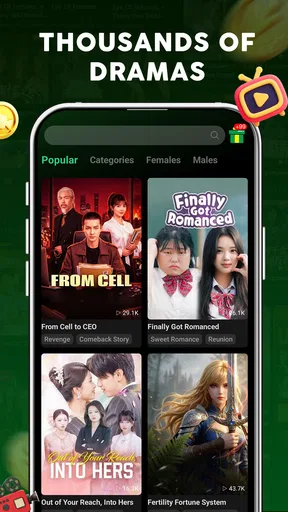
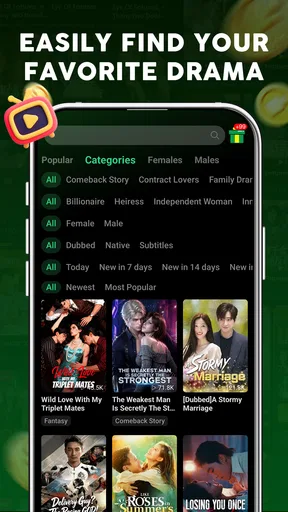
 Analysis by AppCompare
I judge a short-video app not only by whether it can hold my attention, but by how easily I can find something to watch and whether it fits the moment I have available. RushDrama Pro:MiniSeries is an entertainment app built around quick, dramatic serial stories. That format can make a spare few minutes feel like a complete viewing session, though it also has limits for anyone who needs more control over reading, sound, or how they consume a story.
Finding a story without a long setup
I’d use the first few minutes to see whether the app’s story-first approach makes choosing feel simpler, rather than assuming every short episode will suit every spare moment. A quick scan of the titles and opening scenes can help you spot a tone you actually want, while also giving you a chance to check whether the screen is comfortable to follow. That small pause makes it easier to decide whether a brief viewing session fits your day.
A focused kind of entertainment
RushDrama, developed by X-tream, is aimed at viewers who want compact fiction rather than a broad library of conventional films and television. Its stories are framed around drama and twists, so the appeal is momentum: a scene sets up a problem, raises a question, and gives you a reason to continue. I see that as a good fit for a commute, a waiting room, or a short break when I do not want to spend half the time choosing a full-length show.
The focused premise is useful for deciding what to expect. This is not the app I would open when I want a documentary, a live broadcast, or a quiet background playlist. It is better suited to deliberate, bite-sized viewing, especially if cliffhangers and heightened emotions are part of the fun for you. If you prefer stories that unfold slowly or episodes that leave room for long pauses, the rapid-drama approach may feel pushy rather than gripping.
Navigation and readability in practice
A short-form series app works best when the route from browsing to watching is uncomplicated. RushDrama’s central idea gives the experience a clear purpose: find a serial story, start watching, and decide whether to continue. For me, that narrower focus is easier to approach than a general entertainment service where films, clips, music, and recommendations compete for attention. It also means the app’s usefulness depends on whether its story choices match your taste; a focused catalogue is not automatically a varied one.
When trying a new viewing app, I recommend checking the first few screens before settling in. Notice whether titles and episode information are legible at your usual text size, whether the controls are easy to identify, and whether you can tell what will play next. Those details matter more in a series built around quick transitions than they might in a one-off video. I would also sample a story before committing to a long session: the tone and pacing are a better guide than the dramatic premise alone.
The app has an average rating of 4.9 from 618 ratings, with 104 written reviews. That reception is encouraging, but it is not a substitute for checking whether the presentation works for your own eyesight, hearing, and preferred pace. Ratings can tell me that many people are satisfied; they cannot tell me whether a particular screen is comfortable to read or whether rapid scene changes suit me.
Worth Reading Before You Choose

Flipboard Shows What News Apps Must Do Beyond the Feed

Switching to Android Auto Means Rethinking Your Driving Routine

Google Calendar Makes a Crowded Week Easier to Manage

Ludo King Makes the Most of the Minutes Between Plans

Baby Panda World Brings Quick Play to Modern Phones, but Its Game Library Feels Busy

ESPN’s Live Game View Makes Following Close Games Easier
Controls, hands, eyes, and ears
There is a practical accessibility trade-off in any phone-based video experience: the same compact screen that makes a quick episode convenient can make text and controls harder to use. If you have low vision, glare sensitivity, or difficulty distinguishing small interface elements, try the app in the lighting where you expect to watch. Increasing your device’s text size may help with interface text, but it will not necessarily enlarge text embedded within the video itself. I would not assume that captions, audio description, or adjustable playback controls are available without checking them directly.
Motor comfort is another consideration. Holding a phone for a long stretch can be tiring, while repeated tapping or swiping may be uncomfortable for some users. A sensible approach is to watch with the device resting on a stable surface when possible and take a pause between episodes rather than treating automatic momentum as a reason to keep going. If you rely on assistive input or need large, consistently placed controls, test basic navigation first. The experience is only convenient if you can operate it without strain.
Sound can also change how usable the app feels. A noisy bus may make dialogue difficult to follow; watching with the volume raised may not be considerate to people nearby. Before relying on it in public, check whether the particular content can be followed comfortably with your available audio setup. If you need captions to understand dialogue, confirm that they are present and readable in the episodes you choose instead of counting on them. For viewers who are sensitive to sudden loud sounds or intense scenes, keeping the phone’s volume low and choosing when to watch can make the experience more manageable.
Where short episodes fit into a day
One realistic use is a ten-minute wait before an appointment. I would choose a story while I have a stable connection, watch a short stretch, and stop at a natural pause rather than beginning when I may be called away at any moment. This makes the format feel like a small treat instead of an obligation. The same approach works during a break at home, where I can use headphones without needing to keep a television on.
Context matters more than the short-episode idea suggests. On public transport, bright screens, motion, and surrounding noise can all make viewing less comfortable. If you are prone to motion sickness, reading small text while travelling may be a poor combination, even when a story is brief. At work or school, a dramatic cliffhanger can also make a quick break harder to end on time. I would set a personal stopping point before pressing play if I need to return promptly to another task.
For family settings, the age guidance is Teen, so I would not treat the app as automatically suitable for younger children. A teenager may enjoy dramatic serial fiction, but parents should still consider the individual’s preferences and sensitivity to intense themes. Short episodes are easy to start, which makes it worth discussing viewing habits and boundaries rather than assuming that brief content needs no supervision.
How it compares with familiar alternatives
Compared with a mainstream streaming service, RushDrama’s strongest distinction is its emphasis on compact serial drama rather than a wide mix of long-form entertainment. If you already know you want a sustained film or a carefully paced television episode, a conventional service is likely the better choice. If you are deciding between several kinds of entertainment and want broader discovery, a general video platform may give you more variety, though that variety can also mean more time spent browsing.
Compared with scrolling through social clips, a serial story offers a clearer narrative reason to return: characters and unresolved events can connect one viewing session to the next. That can be satisfying when you want fiction rather than disconnected snippets. The trade-off is that cliffhanger-led storytelling can make stopping feel less natural. I would use it in short, intentional sessions and avoid opening it when I have only a moment and need to leave immediately.
What to check before making it a habit
RushDrama is free, which makes it easy to try without paying just to discover whether the format suits you. It has more than 10,000 installs, and the current version is 1.6.9. The stated minimum operating-system requirement is version 7.0, so check your device’s software before installing rather than assuming an older phone will run it. The app was released on September 11, 2026; if you are comparing versions over time, that date and the current version help you identify the product you are considering.
My practical first-use routine would be simple: browse with the sound off, check whether the interface is understandable, then play a small sample with your usual headphones or speaker. That sequence tests navigation, visual comfort, and dialogue in your actual setting before you invest attention in a plot. If a scene is hard to follow because of text or sound, switch to another title or choose a different viewing option instead of assuming you will adapt later.
There are meaningful limits for people who need explicit accessibility features. The app’s short-episode focus does not by itself guarantee captions, screen-reader-friendly controls, adjustable text, or a way to slow playback. If any of those are essential to you, verify them on your device before relying on RushDrama as a regular source of entertainment. A service with clearly adjustable presentation may be the more dependable choice, even if its stories are less tailored to quick dramatic viewing.
Who I would recommend it to
I would suggest RushDrama to someone who enjoys serialized drama, likes a brisk pace, and wants a story that can fit into a small opening in the day. It is also worth trying if you find broad streaming menus tiring and would rather approach entertainment with a specific short-form purpose. The 4.9 average rating suggests a positive response from its audience, but personal fit comes down to whether the storytelling style and on-screen presentation work for you.
I would steer away from it if you want long, unhurried viewing, need verified accessibility tools before you can use a video app, or dislike narratives that encourage one more episode. It may also be the wrong choice when your surroundings make audio or screen viewing uncomfortable. In those situations, a book, audio entertainment, or a conventional streaming option with controls you already know may serve you better.
A measured recommendation
RushDrama is most appealing when its short dramatic stories match both your mood and your circumstances. I like the idea of opening a focused entertainment app for a brief narrative rather than losing a break to endless browsing. At the same time, quick episodes do not automatically make viewing accessible or easy to stop, and the compact phone format brings real visual, motor, and sensory considerations.
My recommendation is to try it in a low-pressure setting, assess the text and controls for yourself, and decide whether the pacing leaves you entertained rather than hurried. For viewers who enjoy twists and can comfortably use its presentation, RushDrama Pro:MiniSeries is a reasonable free option to explore. For anyone who needs specific accessibility controls or prefers more measured storytelling, choosing an alternative that clearly supports those needs is the more practical call.
A useful way to test the fit
I would treat the first session as a compatibility check, not a commitment. Try it seated somewhere you can put the phone down, choose a story whose opening appeals to you, and notice whether you can follow the action without leaning closer or turning the volume up. If you are watching with someone else, ask whether the sound and screen are comfortable for both of you; one person’s ideal volume or pacing may not work for another.
That small test also helps answer a practical question: is this something you will use alone, or will you want to share it? Short serial drama is naturally easy to dip into privately, but it may be less satisfying as shared viewing if people arrive midway through a plot. For a group or family evening, a familiar film or a standalone episode is usually easier to join without catching up on earlier story turns.
Choosing when to press play
A useful boundary is to match the app to a break that has a clear end, rather than opening it during a moment when you need to remain fully alert to your surroundings. I would avoid watching while walking, crossing streets, or doing a task that needs quick responses. Even a brief story can pull attention toward the screen, and a cliffhanger can make it tempting to ignore what is happening around you.
If you are trying to limit screen time, decide in advance whether you are sampling one episode or settling in for longer. That is a better strategy here than relying on the story itself to provide a natural stopping point. The same planning helps anyone who watches near bedtime and would rather not let an emotionally intense scene dictate when they put the phone away.
People asking whether this is a good replacement for ordinary streaming should think about the kind of decision they want the app to make easier. It can narrow the choice toward dramatic serial viewing, but it is not a substitute for a broad catalogue when your mood changes from fiction to news, comedy, or a full-length film. I would keep it as a focused option rather than expecting one entertainment app to cover every situation.
An inclusive verdict for everyday viewing
For me, the most promising part of RushDrama is the match between a compact story format and small pockets of free time. The most important caveat is that brief viewing is not automatically accessible: reading comfort, audio needs, motor control, sensory sensitivity, and the ability to stop all vary from person to person. The app is worth considering if its presentation works with your routines, but I would not make it the only option for someone whose access needs depend on specific controls.
Overall, I would recommend giving it a short, deliberate try if you enjoy fast-moving serialized fiction and want something more story-led than a feed of unrelated clips. If the screen, sound, or pace creates friction, that is useful information rather than a reason to push through; choose a service or format that lets you watch comfortably. The best fit is the one that makes entertainment easy to enjoy on your terms, not simply the one that fills a few minutes.
Pros
- Short episodes make it easy to watch during brief breaks.
- Mini-series format offers complete stories without a long commitment.
- A focused catalog can make it quicker to find bite-sized dramas.
- Portrait-friendly viewing suits watching on a phone.
- Useful for discovering stories across different drama genres.
Cons
- The short format may leave characters and storylines feeling underdeveloped.
- A limited catalog may not offer enough variety for frequent viewers.
- Some titles may end on cliffhangers that require watching more episodes.
- Viewing experience can depend on a stable internet connection.
- Small-screen viewing may make subtitles or on-screen text harder to read.
FAQs for RushDrama Pro:MiniSeries
What is RushDrama Pro:MiniSeries?
RushDrama Pro:MiniSeries is an entertainment app focused on short-form dramatic series, often presented in compact episodes designed for viewing on a phone. Its format may suit viewers who want ongoing stories without committing to a full-length film or traditional TV episode. The available titles, episode lengths, and viewing options can change, so check the app’s current listing and catalog before downloading.
Is RushDrama Pro:MiniSeries free to use?
The app may be free to download, but that does not necessarily mean every episode or feature is free to watch. Short-drama services can use a mix of free episodes, ads, subscriptions, or in-app purchases, and access rules may vary by title and region. Review the store listing and the payment details shown inside the app before purchasing credits or starting a subscription.
Does RushDrama Pro:MiniSeries require an account or an internet connection?
Some features may be available without creating an account, while saving progress, personalizing recommendations, or syncing viewing across devices could require sign-in. Streaming episodes generally requires an internet connection, and video playback can use substantial mobile data. Check whether the app offers downloads for offline viewing and review its permissions and account requirements during setup.
Is RushDrama Pro:MiniSeries available on Android and iOS?
Availability depends on your country, device, and the app’s current store distribution. Search for the exact app name in Google Play or Apple’s App Store and confirm that the developer and listing match before installing. Also check the minimum operating-system requirements, recent update date, and user reviews, since compatibility and availability can change over time.
Is RushDrama Pro:MiniSeries suitable for children?
Do not assume the app is intended for children simply because its episodes are short or easy to watch on a phone. Dramatic series may include mature themes, romance, conflict, or other content that is unsuitable for younger viewers, and age ratings can differ by region. Check the store rating and each show’s content information, and use device-level parental controls where appropriate.


